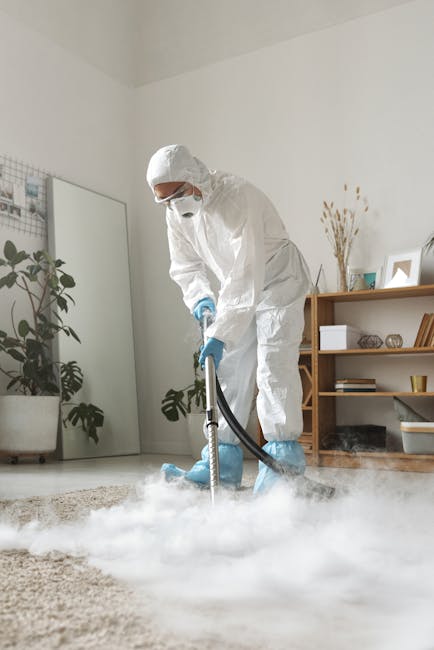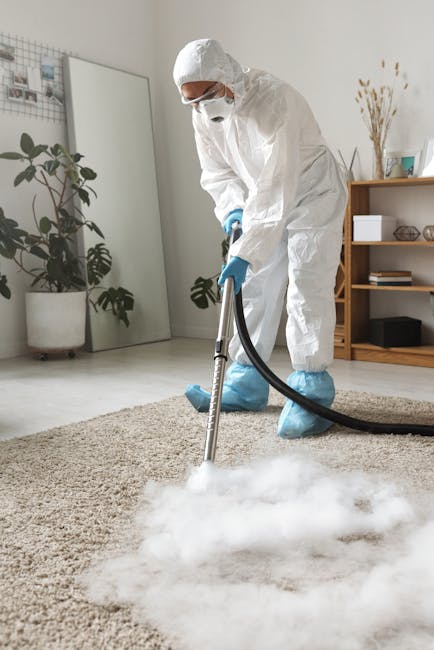
Carpet cleaning Seven Kings station area: a practical guide for cleaner, fresher carpets
If you live or work near Seven Kings station, you already know how quickly carpets pick up the everyday stuff: gritty footfall, spill marks, pet odours, and that dull, tired look that creeps in before you notice it. Carpet cleaning Seven Kings station area is not just about making fibres look brighter for a day or two. It is about keeping your home or workplace cleaner, more comfortable, and easier to live with, especially in busy London conditions where people come and go all day.
This guide walks through how carpet cleaning works, what results you can realistically expect, and how to decide which method makes sense for your space. You will also find a clear checklist, a comparison table, common mistakes to avoid, and a few practical tips that can save you hassle later. Let's face it, carpets are one of those things you only think about properly when they start to smell a bit off. Better to stay ahead of that.
- Why it matters
- How it works
- Key benefits
- Who it is for
- Step-by-step guidance
- Expert tips
- Common mistakes
- Tools and recommendations
- Law, compliance and best practice
- Options and comparison
- Real-world example
- Practical checklist
- Conclusion
- Frequently asked questions
Why Carpet cleaning Seven Kings station area Matters
The Seven Kings station area is a proper mix of commuter homes, flats, terraces, shared properties, shops, and small offices. That means carpets often take a beating. Shoes bring in dust from pavements and platforms, damp weather leaves residues in fibres, and high-traffic areas can quickly become flattened and discoloured. Near a station, there is also the simple issue of volume: more people, more movement, more dirt.
Good carpet cleaning matters because dirt is not just sitting on the surface. Fine grit works down into the pile and acts a bit like sandpaper. Over time, that can wear fibres down and make the carpet look older than it really is. In a family home, this often shows first on stairs, hallways, and living rooms. In a rented flat, it can affect how presentable the place feels between tenants. In a business, the first impression is immediate. Nobody wants customers stepping onto a stained entrance carpet and thinking, hmm, not ideal.
There is also the comfort factor. Freshly cleaned carpets tend to feel softer underfoot and can reduce musty smells caused by trapped soil, spills, or moisture. If someone in the property has allergies or asthma, a clean carpet may help the room feel less dusty, though it is sensible to be careful with claims here. It is not magic. It is just better housekeeping, done properly.
For local households, regular cleaning is also a maintenance habit, not a luxury. The longer a stain sits, the harder it is to remove cleanly. The longer soil stays in the fibres, the more stubborn the dullness becomes. That is why timing matters as much as technique.
For a deeper look at a broader service approach, you can also review the company's carpet cleaning service information alongside this guide.
How Carpet cleaning Seven Kings station area Works
Most professional carpet cleaning follows a sensible sequence: inspect, pre-treat, clean, extract, and dry. The exact method changes depending on the carpet fibre, the type of soil, and how much moisture the material can handle. That is the bit people often miss. A wool carpet and a synthetic carpet are not the same job. Treat them as if they are, and you can run into shrinkage, distortion, or a longer dry time than expected.
Here is the broad process in plain English:
- Inspection - The cleaner looks at the carpet type, traffic patterns, stains, odours, and any delicate areas.
- Vacuuming and debris removal - Loose dust, crumbs, pet hair, and grit are removed first so they do not turn into muddy residue later.
- Pre-treatment - Stains and heavy soil are given a suitable solution to loosen them.
- Main clean - Depending on the method, the carpet is washed, agitated, or steam-cleaned.
- Extraction or rinse - Soil and cleaning solution are removed as far as possible.
- Drying and final check - The pile is set, any remaining marks are reviewed, and drying advice is given.
The most common professional methods are hot water extraction and low-moisture cleaning. Hot water extraction is often called steam carpet cleaning, though in practice it usually uses hot water and extraction equipment rather than true steam alone. It is popular because it can reach deep into the pile and lift a lot of embedded dirt. Low-moisture methods are useful where quicker drying is needed, such as in offices, short-let properties, or busy homes that cannot be out of action for long.
If you are dealing with awkward marks, a specialist stain treatment may be needed first. Some stains sit on top of the fibre; others bind to it. Red wine, coffee, pet accidents, and food spills behave differently, which is why generic spot-cleaning sometimes disappoints. The same goes for sofas, rugs, and curtains nearby. Dirt does not like to stay in one place, does it?
For people comparing service types, the relevant companion pages include steam carpet cleaning and stain removal.
Key Benefits and Practical Advantages
A proper carpet clean gives you more than a visual refresh. The practical benefits are usually what persuade people to keep up with it.
- Better appearance - Colours look more even and the carpet stops looking patchy in walkways.
- Improved freshness - Odours from spills, pets, or damp can be reduced.
- Longer carpet life - Removing abrasive grit helps preserve fibres.
- More comfortable rooms - Clean fibres feel softer and more pleasant underfoot.
- Better presentation - Useful for viewings, guests, tenants, and customers.
- Support for routine hygiene - Regular cleaning can help reduce the build-up of dirt and allergens, though results vary by carpet type and condition.
One of the most underrated benefits is simply peace of mind. You notice it when the room no longer has that slightly stale undertone after a wet week. Or when sunlight hits the carpet in the morning and it looks even again, not tired and grey around the edges. Small thing, big difference.
Businesses also benefit from fewer complaints about appearance and a more professional atmosphere. In reception areas, corridors, and meeting rooms, clean carpets quietly do their job in the background. That is exactly what you want. No drama.
If you are looking at costs or planning a wider clean, the site's pricing and quotes page is a sensible place to understand how estimates are usually handled.
Who This Is For and When It Makes Sense
Carpet cleaning Seven Kings station area makes sense for a wide range of people, but the reasons differ slightly.
Homeowners and tenants
If you have children, pets, or a busy household, carpets collect more mess than you may realise. Hallways, landings, and lounges are the main candidates. Tenants often need a deep clean before moving out, while homeowners often book it after a period of heavy use, a spill, or just because the carpet has reached that "it's due" stage.
Landlords and letting agents
In rental properties, carpets can affect viewings and handovers. A clean carpet helps a property feel maintained rather than merely cleaned at the last minute. To be fair, that first impression can do a lot of work for you.
Small businesses and offices
Offices, salons, clinics, local shops, and professional premises near Seven Kings station often need regular carpet care to keep reception spaces and walkways presentable. Some businesses also need quieter drying times and more flexible scheduling.
Pet owners
Pets bring a very specific set of challenges: fur, smells, occasional accidents, and repeat marking in the same spot. In these cases, a standard clean might not be enough, especially if odour has soaked into the underlay. A more targeted approach is usually better. The pet stain and odour removal service can be useful where that problem has stuck around.
People with rugs, sofas, and upholstery in the same space
If the carpet is dirty, there is a decent chance the soft furnishings need attention too. It often makes sense to clean the room as a whole rather than doing the carpet in isolation. Otherwise you get a neat floor and grubby armchairs, which feels a bit backwards.
Step-by-Step Guidance
If you are organising a carpet clean for the first time, the process is easier when you know what to expect. Here is a practical step-by-step guide.
- Walk through the space first
Check for stains, shaded traffic paths, furniture marks, pet spots, and any loose edges or damage. Make a note of anything delicate. - Vacuum thoroughly
Removing dry soil first makes the actual clean much more effective. This step matters more than most people think. - Choose the right cleaning method
Steam extraction is often suitable for deep cleaning. Low-moisture methods may suit delicate or fast-turnaround jobs. - Pre-treat problem areas
Grease, drink spills, pet marks, and ground-in dirt usually need a targeted solution before the main clean. - Clean in sections
Working room by room, or section by section, helps keep the process controlled and avoids missed patches. - Extract moisture properly
Too much water left behind can slow drying and create a stuffy smell. Good extraction is key. - Allow ventilation
Open windows where possible and keep foot traffic light until the carpet is dry. - Finish with a final review
Check high-traffic areas and known stains again once the carpet is dry enough to inspect properly.
If you are doing part of this yourself, keep it simple. Vacuum well, deal with fresh spills quickly, and do not soak the pile. The classic mistake is over-wetting and then wondering why the carpet feels damp for hours. We have all seen it happen.
Expert Tips for Better Results
A few small habits can make a noticeable difference to the outcome, especially in the Seven Kings station area where heavy footfall and changeable weather are part of normal life.
- Act on fresh spills quickly. Blot, do not rub. Rubbing pushes the spill deeper and can rough up the pile.
- Test any spot treatment first. A hidden patch is safer than a visible colour change.
- Match the method to the fibre. Wool, synthetic, and blended carpets do not all want the same treatment.
- Use the right amount of moisture. More water is not more cleaning. That is a trap.
- Prioritise traffic lanes. Hallways and entry points usually benefit most from regular care.
- Think beyond the carpet. Curtains, sofas, and rugs can reintroduce dust if they are neglected.
A useful rule of thumb: if a stain has been there a while, do not assume household products will sort it alone. Some stains set, some spread, and some fade just enough to tempt you into leaving them. Then they pop back up later, which is incredibly irritating.
If you want to build a more complete soft-furnishing clean, the most relevant supporting pages are rug cleaning and upholstery cleaning.
Common Mistakes to Avoid
Most carpet cleaning problems come from rushing the job or using the wrong approach. Here are the errors that show up again and again.
- Using too much detergent - residue attracts dirt and can make the carpet look dirty again faster.
- Scrubbing aggressively - this can distort fibres and spread stains.
- Skipping pre-vacuuming - wetting dry grit just turns it into sludge.
- Cleaning the carpet too rarely - light maintenance is easier than rescue cleaning.
- Ignoring odour sources - if the smell is in the underlay, the surface clean alone may not solve it.
- Putting furniture back too soon - this can leave marks or trap moisture.
- Assuming all stains are the same - coffee, ink, grease, and pet accidents need different handling.
One more thing. If a stain is stubborn and you keep attacking it with different products, you can make the problem worse. A clean-looking patch with fibre damage around it is not really a win. It just looks tidier for five minutes.
Tools, Resources and Recommendations
You do not need a cupboard full of gadgets to maintain carpets well, but a few basics go a long way. For home care, the most useful items are a reliable vacuum cleaner, white cloths or absorbent towels, a soft brush for lifting pile, and a mild spot-treatment approach that suits the carpet type.
For more involved work, professionals may use hot water extraction equipment, air movers for drying, pre-spray solutions, pile brushes, and separate tools for edges and stairs. The main point is not the tool itself. It is whether it is being used with the right chemistry, moisture level, and technique.
If you are comparing service options, these pages may help you understand the wider range of cleaning services that can be paired with carpet work:
- sofa cleaning
- curtain cleaning
- mattress cleaning
For readers who want reassurance around service standards and business details, the site also provides pages on about us, insurance and safety, and health and safety policy.
Law, Compliance, Standards, or Best Practice
Carpet cleaning is not usually a heavily regulated service in the way some specialist trades are, but good practice still matters. In the UK, customers should expect transparent pricing, careful handling of property, sensible use of cleaning chemicals, and honest explanations about what can and cannot be removed.
For commercial settings, there is a stronger duty to maintain a safe and presentable environment for staff and visitors. That does not mean every stain must disappear instantly. It does mean the cleaning plan should be reasonable, documented where needed, and carried out with care. If a building has particular access, safety, or tenancy requirements, it is best to check them before work begins.
It is also sensible to look for clear policies on payment, privacy, recycling, terms, and complaints handling. Those details may seem small, but they build trust. In fact, they matter more than some glossy promise about "miracle results." For a service provider, being clear about process is a sign of maturity, not a burden.
Useful supporting pages include payment and security, privacy policy, terms and conditions, recycling and sustainability, and complaints procedure.
Options, Methods, or Comparison Table
Different carpet cleaning methods suit different situations. Here is a simple comparison to make the choice easier.
| Method | Best for | Strengths | Watch-outs |
|---|---|---|---|
| Hot water extraction | Deep cleaning, heavy soil, family homes | Strong soil removal, good overall refresh | Longer dry time if over-wet |
| Low-moisture cleaning | Fast turnaround, offices, sensitive schedules | Quicker drying, convenient for busy spaces | May be less intensive on very embedded dirt |
| Spot or stain treatment | Isolated marks and localised spills | Targets specific problem areas | Not a full replacement for deep cleaning |
| Steam carpet cleaning | General deep refresh and recurring traffic marks | Popular, effective on many synthetic carpets | Must be matched carefully to fibre type |
In practical terms, the "best" method depends on your carpet, your schedule, and what the carpet has been through. A house with children and pets may need a different approach from a professional office. Obvious, yes, but easy to ignore when booking in a rush.
Case Study or Real-World Example
Here is a realistic scenario from the kind of job that comes up often around station-area properties.
A small two-bedroom flat near Seven Kings station had a hallway carpet that looked clean at first glance but felt dull under daylight. The resident had a dog, a pushchair coming in and out, and the usual wet-shoe traffic from a very typical London week. There was also one awkward patch near the lounge door where a drink had been spilled months earlier. It had not exactly shouted for attention, but it had quietly settled in and darkened the pile.
The job began with a careful vacuum, then pre-treatment on the traffic path and the old spill patch. The cleaner used a hotter, more targeted clean on the hallway and a lighter approach on the lounge edge because the fibre was more delicate there. After extraction, the room was left to dry with windows open and furniture kept back for a while. Later that day, the hallway looked brighter and the old patch was much less obvious. Not invisible, because that would be unrealistic, but much better and more even.
That sort of result is common when the problem is handled early and the method is chosen well. If the stain had been ignored for another year, the outcome would likely have been less neat. It's a bit like anything else in maintenance, really.
Practical Checklist
Use this before booking or doing the work yourself.
- Identify the carpet fibre if you can.
- Check for stains, odours, and high-traffic lanes.
- Decide whether you need a full clean or just spot treatment.
- Move small furniture and fragile items out of the way.
- Vacuum thoroughly before any wet cleaning.
- Ask about the expected drying time.
- Confirm whether stain protection or deodorising is appropriate.
- Plan a time when foot traffic can be kept low for a while.
- Review payment, terms, and any insurance or safety information.
- Leave enough time for a final inspection once the carpet is dry.
If you want to compare the wider service structure before you decide, the most useful pages are pricing and quotes and contact us.
Expert summary: The best carpet clean is usually the one matched to the fabric, the level of soil, and the room's real-world use. Quick fixes have their place, but proper preparation and the right moisture level are what separate a decent result from a disappointing one.
Conclusion
Carpet cleaning Seven Kings station area is at its best when it is treated as routine care, not a rescue mission. If you keep on top of dirt, tackle spills early, and choose the right method for the carpet in front of you, the whole process becomes simpler and the results last longer. That is true in a family home, a rental flat, and a commercial setting.
The real value is not just a cleaner-looking floor. It is a fresher room, a more comfortable atmosphere, and less wear over time. And once you notice that difference, you tend not to un-notice it. Strange how that works.
If you are weighing up your next step, take a moment to review the service details, compare the options, and think about the spaces that take the most foot traffic. A little attention now can save a lot of hassle later, and that is usually money well spent.
Get a free quote today and see how much you can save.
Frequently Asked Questions
How often should carpets be cleaned near Seven Kings station?
It depends on traffic, pets, children, and how quickly dirt builds up in your property. Busy homes and commercial spaces often need more frequent cleaning than quieter rooms. A hallway near a station area usually shows wear sooner than a spare room.
Is steam carpet cleaning suitable for all carpet types?
Not always. Steam carpet cleaning is widely used, but the right method depends on fibre type, backing, and condition. Delicate carpets may need a different approach, so inspection first is the sensible move.
How long does a carpet take to dry?
Drying time varies with the method used, the carpet's thickness, room ventilation, and weather. A lighter clean may dry faster, while a deeper extraction clean can take longer. Good airflow helps a lot.
Can carpet cleaning remove pet odours completely?
Sometimes it can, but not every odour lives only in the visible carpet pile. If urine or moisture has reached the underlay, the problem may need a more targeted treatment. That is why pet-specific cleaning can be worth it.
Will carpet cleaning remove every stain?
No honest cleaner should promise that. Some stains are permanent, some have chemically changed the fibre, and some have been set by heat or time. A proper treatment can improve many stains, but complete removal is not guaranteed.
Is professional carpet cleaning better than renting equipment?
For many people, yes, especially if the carpet is heavily soiled or stained. Rental machines can help with maintenance, but they do not always match the extraction power, chemistry, or experience of a professional clean.
What should I do before the cleaner arrives?
Move small objects, vacuum if you can, point out problem stains, and mention any delicate areas or prior repairs. If you have furniture that cannot be moved, say so early. It saves time and avoids awkward surprises.
Does carpet cleaning help with allergies?
It may help reduce the build-up of dust and particles in carpets, but results vary. It should be seen as part of a broader cleaning routine rather than a medical solution. If someone has serious sensitivities, extra care is wise.
Are commercial carpets different from home carpets to clean?
Often, yes. Commercial carpets usually see more foot traffic, more frequent soiling, and tighter scheduling. They may need faster drying, quieter methods, or after-hours work.
What is the difference between stain removal and a full carpet clean?
Stain removal focuses on one or more specific marks, while a full carpet clean treats the whole area. In many cases, the best result comes from combining both, because the stain is only part of the story.
Can carpet cleaning be combined with other services?
Yes, and that is often practical. If your carpets are due, sofas, rugs, curtains, or upholstery may also need attention. Bundling soft-furnishing care can make the space feel properly refreshed rather than only partly done.
What should I look for in a cleaning company?
Look for clear communication, sensible pricing, safety and insurance information, honest expectations, and a method that matches your carpet. A trustworthy provider explains the process plainly and does not oversell the result. That's a good sign every time.