Creative Approaches to Minimize Dust and Allergens
For millions of people, dust and allergens can transform the comfort of a home into a place of discomfort and even illness. Allergies and respiratory problems are often aggravated by particles we can't even see. While regular cleaning certainly helps, today's most effective solutions involve creative, holistic strategies for maintaining cleaner, healthier environments. In this comprehensive article, we will explore innovative approaches to reduce dust and allergens indoors, ensuring your home is a safe haven for everyone.
Understanding Dust and Allergens: A Brief Overview
Dust consists of tiny airborne particles--skin flakes, textile fibers, pollen, mold spores, and microscopic bits of dirt--while allergens trigger immune responses in sensitive individuals. Common indoor allergens include:
- Dust mites
- Pollen tracked in from outside
- Mold spores
- Pet dander
- Cockroach droppings
Even in the cleanest homes, these particles collect on surfaces and in the air, leading to sneezing, itchy eyes, asthma, and ongoing discomfort. Traditional cleaning is an ongoing battle--so what creative approaches can be embraced to truly minimize dust and allergen exposure?
Creative Solutions for Minimizing Indoor Dust and Allergens
1. Rethink Your Home Decor and Furnishings
Did you know your choice of decor and furniture can influence how much dust collects in your home?
- Opt for Minimalism: Reduce clutter to cut down dust-accumulating surfaces. The fewer nooks and crannies for dust to settle, the less you'll have to clean.
- Replace Carpets with Hard Floors: Carpeting traps dust mites, pollen, and dander. Hardwood, vinyl, or tile floors minimize dust retention and are easier to clean thoroughly.
- Choose Washable and Smooth Textiles: Select window coverings, sofas, and bedding that are machine-washable. Leather or faux-leather furniture is a smart alternative to fabric if allergens are a concern.
Tip: Even a cozy area rug can be a dust reservoir. Consider smaller, low-pile options that can be laundered regularly.
2. Harness the Power of Air Purification
Another innovative way to minimize dust and allergens is through smart air purification strategies:
- Invest in HEPA Air Purifiers: High-Efficiency Particulate Air (HEPA) filters trap microscopic dust, pollen, pet dander, and even smoke particles. Place purifiers in bedrooms, living areas, or wherever family members spend most of their time.
- Upgrade HVAC Filters: Replace cheap fiberglass filters with high-grade HEPA or electrostatic versions. Change filters every few months, or as recommended by the manufacturer.
- Leverage Natural Air Filters: Certain houseplants act as natural air purifiers, absorbing toxins and increasing humidity, which can help dust settle quickly for easier cleaning.
Note: Although plants aid air quality, be mindful of their potential to harbor mold and pollen for those with strong allergies.
3. Steam and Microfiber: Advanced Cleaning Techniques
Normal dusting tends to stir dust into the air. Here's how creative cleaning approaches can minimize allergens:
- Use Microfiber Cloths: Unlike standard cloths or feather dusters, microfiber holds onto particles, trapping dust rather than spreading it.
- Try Steam Cleaning: Steam cleaning carpets, drapes, and upholstery eliminates dust mites and removes deeply embedded dust without chemicals.
- Employ Vacuum Cleaners with HEPA Filters: These vacuums trap fine particles that other models would recirculate, crucial for sensitive individuals.
Creative twist: Attach a pantyhose or a fine fabric over the vacuum nozzle to catch small toys or jewelry, without losing suction power for dust removal.
4. Manage Humidity Intelligently
Too much moisture invites mold and dust mites; too little creates dry, dusty air. The answer? Smart humidity control:
- Maintain 30-50% Humidity: Use humidifiers or dehumidifiers as needed. A smart, Wi-Fi enabled humidistat can help you monitor and adjust levels for optimum dust and allergen management.
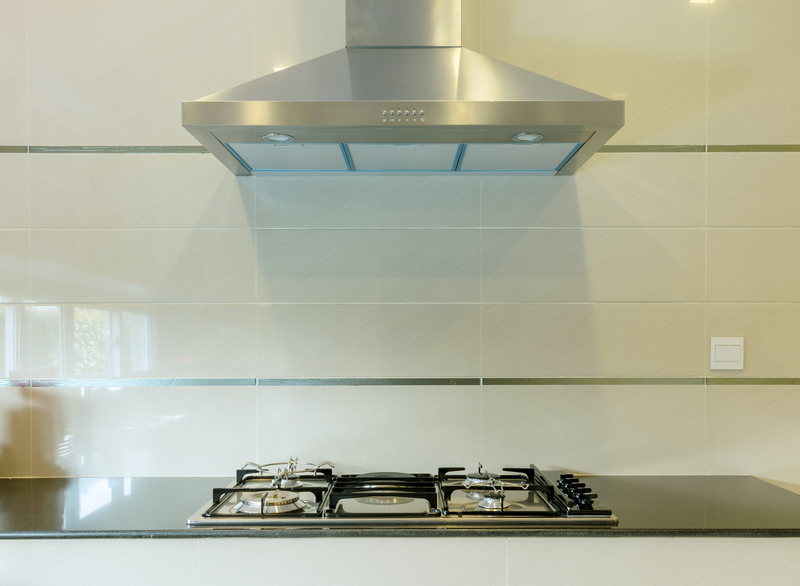
- Vent Bathrooms and Kitchens: Always use exhaust fans when bathing or cooking to reduce humidity spikes that foster mold and dust mite growth.
Pro tip: Place dehumidifiers in problem spots like basements. Empty them regularly and clean their filters for sustained performance.
5. Innovative Entryway Practices
A large portion of indoor allergens come from outside. Minimize dust and allergens making their way into your living spaces through these smart ideas:
- Shoe-Free Policy: Encourage family and visitors to remove shoes at the door to keep outdoor dirt, pollen, and dust out.
- Create a "Transition Zone": Use washable mats both outside and just inside the entryway. Add a seating area with baskets for shoes, and hooks for coats.
- Regular Pet Grooming Station: If you have pets, establish a spot to brush and wipe them down before they enter the main rooms.
Did you know? Simply wiping your pet's paws with a damp cloth after outdoor walks can significantly lower dust and allergen spread.
Advanced and Unexpected Creative Approaches
1. Smart Home Automation for Allergen Reduction
Home automation is not just about convenience. With Wi-Fi-connected air purifiers, humidity controls, and robot vacuums, you can schedule and monitor cleaning routines--even when you're not home. Set routines for:
- Regular robot vacuuming when family is out
- Air purifiers turning on during pollen "high" hours
- Humidity adjustments based on weather reports
Some vacuums and devices are even designed to alert you when filters need replacement or dustbins need emptying, taking the guesswork out of allergen management.
2. Optimizing Ventilation
Proper ventilation is critical but can worsen allergens if not done wisely. Here are creative tactics:
- Timing is Everything: Open windows during low-pollen hours (early morning or after rain), and avoid on windy days when dust and pollen counts are high.
- Install Window Screens: Fine-mesh screens can block a lot of dust and allergens, especially if you live near construction or pollen-heavy foliage.
- Consider a Mechanical Ventilator: High-end systems filter and exchange indoor/outdoor air without letting in large amounts of pollen or dust.
3. Embrace Zero-VOC Paints and Finishes
Paints, varnishes, and finishes can off-gas volatile organic compounds (VOCs) that trigger allergies and aggravate asthma. Choose zero- or low-VOC products for less impact on indoor air quality. Look for certifications such as Green Seal or Greenguard to ensure safety and health for your household.
4. Anti-Allergen Bedding: The Smart Sleep Solution
Your bed is home to millions of dust mites, a leading cause of indoor allergies. Here's how to make bedtime healthier:
- Use Dust-Mite Proof Covers: Encasing mattresses, box springs, and pillows in allergy-proof protectors seals out microscopic pests.
- Launder Bedding Frequently: Wash sheets, pillowcases, and covers in hot water (at least 130?F/54?C) weekly to destroy mites and remove allergens.
- Go for Synthetic or Hypoallergenic Materials: Avoid feather pillows and woolen blankets, instead choosing synthetic, easily washable bedding.
Advanced tip: Replace pillows every 1-2 years for optimum dust mite control.
5. Professional Allergen Reduction Treatments
For persistent problems, hire licensed professionals for:
- Mold Remediation: Especially in damp or flood-prone homes.
- HVAC Duct Cleaning: Remove dust, dander, and even dead pests from inside your ductwork.
- High-Powered Steam Carpet and Upholstery Cleaning: More thorough than rental or DIY steamers.
For those with severe or life-threatening allergies and asthma, consider a home audit by a certified indoor air quality expert as the ultimate investment in a safer indoor environment.
Everyday Creative Habits for Lasting Allergen Reduction
- Wet Dust Regularly: Use a damp cloth on surfaces to trap rather than stir up dust.
- Declutter Consistently: Getting rid of unused items means fewer places for dust to hide.
- Groom Pets Outdoors: Keep dander and loose fur from settling inside.
- Change Clothes Promptly: After outdoor activities, change into "indoor only" clothing to reduce pollen transfer.
- Store Items Wisely: Keep seldom-used items in sealed plastic containers to prevent dust accumulation.
Summary: A Healthier Home, Your Creative Way
Minimizing dust and allergens goes far beyond basic cleaning. By rethinking your home's layouts and materials, embracing high-tech air quality solutions, and establishing smart daily routines, you can create a home that is not only cleaner but also healthier and more enjoyable. From leveraging smart technology and advanced cleaning techniques to optimizing furnishings and embracing natural air quality boosters, creative strategies for minimizing dust and allergens are accessible and effective for every household.
Start small by making one or two of these changes today, and notice the improvement in your home's air and your family's wellness. With these innovative dust reduction and allergen control tips, you can breathe easier--quite literally--in your refreshed, revitalized living space.
```